Mudhisa: A Versatile Script for Streamlining Workflows
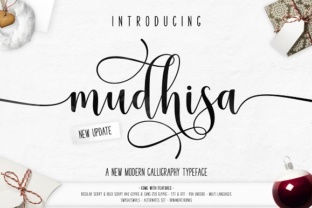
Mudhisa is a powerful script designed to enhance productivity and streamline various workflows. With its four distinct versions—Script, Bold, Sans, and Slant—Mudhisa offers flexibility to suit different needs and preferences. Whether you're a professional, creator, or entrepreneur, integrating Mudhisa into your daily routine can significantly improve efficiency and output.
Understanding Mudhisa in the Context of Workflow
Mudhisa isn't just another tool; it's a comprehensive solution that fits seamlessly into a broader workflow. Its adaptability makes it an excellent choice for tasks ranging from project management to creative design. By understanding how Mudhisa interacts with other tools and processes, users can maximize its potential and ensure smooth integration into their existing systems.
The core strength of Mudhisa lies in its ability to be used at any stage of a project. Whether you're planning, executing, or reviewing, Mudhisa provides the necessary support to keep things on track. This versatility is particularly valuable for professionals who juggle multiple tasks and deadlines simultaneously.
Using Mudhisa Before, During, and After Projects
Mudhisa can be leveraged at various points in a project lifecycle. Before starting a new task, it helps with planning and organization. During execution, it aids in maintaining consistency and quality control. Post-completion, it assists in evaluation and documentation.
For instance, when preparing for a marketing campaign, Mudhisa can help structure the plan, assign tasks, and set milestones. During the campaign, it ensures that all activities align with the initial strategy. Afterward, it supports data collection and analysis, providing insights for future improvements.
- Preparation Phase: Use Mudhisa to outline goals, allocate resources, and establish timelines.
- Execution Phase: Leverage Mudhisa to monitor progress, manage changes, and maintain quality standards.
- Review Phase: Employ Mudhisa to compile results, identify areas for improvement, and document lessons learned.
Integration with Other Tools and Processes
Mudhisa is designed to work harmoniously with a wide range of tools and platforms. Its compatibility with popular project management software, communication apps, and content creation tools makes it an ideal addition to any digital toolkit.
When integrated with tools like Trello or Asana, Mudhisa enhances task tracking and collaboration. It also works well with design software such as Adobe Creative Suite, allowing for seamless transitions between planning and execution phases. For educators and bloggers, Mudhisa can be paired with content management systems to streamline publishing workflows.
One of the key benefits of using Mudhisa is its ability to interact with human processes without requiring extensive technical expertise. This makes it accessible to a broad audience, including small business owners and hobbyists who may not have advanced technical skills.
Practical Implementation Tips
To get the most out of Mudhisa, consider the following practical tips:
- Define Clear Objectives: Before implementing Mudhisa, clearly define what you hope to achieve. This will guide its use and ensure it aligns with your specific needs.
- Choose the Right Version: Select the version of Mudhisa that best suits your workflow. The Script version is great for general use, while Bold and Sans offer more specialized features.
- Customize for Efficiency: Tailor Mudhisa to fit your unique workflow. Customization ensures that it becomes an integral part of your daily routine rather than an afterthought.
- Train Your Team: If you're working with a team, invest time in training members on how to use Mudhisa effectively. This promotes consistency and maximizes its impact.
- Monitor and Adjust: Regularly review how Mudhisa is being used and make adjustments as needed. Continuous improvement ensures long-term success.
Use Cases Across Different Professions
Mudhisa's versatility means it can be applied across a wide range of professions and industries. Here are some real-world examples of how it can be used:
Professionals and Entrepreneurs
For professionals managing multiple projects, Mudhisa helps organize tasks, track deadlines, and maintain communication with clients. Entrepreneurs can use it to streamline operations, manage inventory, and handle customer interactions efficiently.
Creatives and Designers
Creatives benefit from Mudhisa's ability to support the entire creative process—from ideation to final delivery. It helps in organizing ideas, managing assets, and ensuring that every step of the process is documented and accessible.
Marketers and Educators
Marketers can use Mudhisa to plan campaigns, analyze performance, and adjust strategies in real-time. Educators can integrate it into lesson planning, student assessments, and resource management, making teaching more efficient and effective.
Bloggers and Freelancers
Bloggers and freelancers often deal with tight deadlines and multiple clients. Mudhisa helps them stay organized, meet deadlines, and maintain consistent output. It also supports invoicing, client communication, and project tracking.
Factors to Consider When Using Mudhisa
While Mudhisa is a powerful tool, its effectiveness depends on several factors. Preparation, compatibility, usability, and long-term use are all critical considerations when integrating it into your workflow.
Preparation involves setting clear goals and understanding how Mudhisa fits into your existing processes. Compatibility ensures that it works well with other tools you use daily. Usability refers to how easy it is to learn and implement. Long-term use requires regular evaluation and adaptation to ensure it continues to meet your evolving needs.
By addressing these factors, users can ensure that Mudhisa remains a valuable asset throughout their workflow, enhancing both productivity and outcomes.
Observations and Best Practices
One important observation is that Mudhisa performs best when it's used consistently. Establishing a routine around its use helps build habits that lead to long-term benefits. Additionally, combining Mudhisa with other tools creates a more robust workflow, reducing the risk of bottlenecks or inefficiencies.
Another best practice is to focus on quality control. By using Mudhisa to monitor and refine processes, users can maintain high standards and ensure that their outputs are both accurate and efficient.
Finally, staying open to feedback and continuous learning is essential. As workflows evolve, so should the way Mudhisa is used. Regularly reviewing its performance and adjusting its application ensures that it remains a relevant and effective tool.