Lolie: A Bold and Authentic Display Font for Modern Branding
In the ever-evolving world of design and branding, typography plays a crucial role in shaping identity and communication. Among the many fonts that have emerged to meet the needs of today’s creative professionals, Lolie stands out as a bold and authentic display font that is gaining traction across industries. Whether you're designing a logo, creating a t-shirt print, or developing a product, Lolie offers a unique visual language that resonates with both creators and consumers.
What Is Lolie?
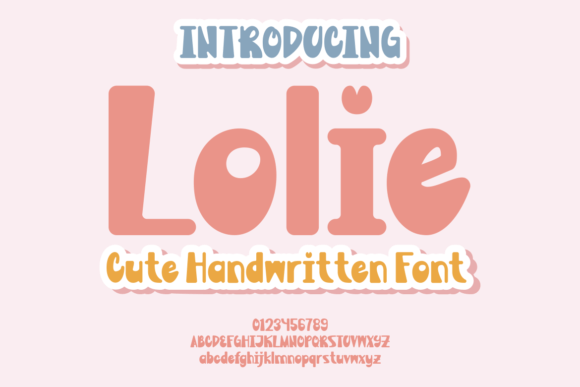
Lolie is a modern display font designed with a focus on boldness, clarity, and authenticity. It features a distinctive character set that blends geometric precision with organic curves, making it versatile for a wide range of applications. The font's structure is clean yet expressive, allowing it to stand out in both digital and print formats.
Unlike many other display fonts that prioritize aesthetics over readability, Lolie maintains a strong balance between visual impact and legibility. This makes it particularly well-suited for use in branding projects where first impressions matter. Its versatility extends to different weights and styles, offering designers the flexibility to adapt it to various contexts without losing its core identity.
Why Is Lolie Gaining Attention?
The rise of Lolie can be attributed to several factors that align with current trends in design, marketing, and consumer behavior. First, there is a growing demand for fonts that reflect authenticity and individuality. In an era where brands are constantly competing for attention, typography has become a key differentiator. Lolie meets this need by offering a fresh, confident look that speaks to the values of transparency and originality.
Additionally, the increasing reliance on digital platforms has made typography more important than ever. With social media, e-commerce, and mobile-first design dominating the landscape, fonts like Lolie provide a consistent and memorable visual experience across multiple touchpoints. Its bold nature ensures it remains visible even at smaller sizes, which is essential for digital interfaces and online branding.
How Does Lolie Fit Into Broader Trends?
Lolie is not just another font—it's part of a larger movement toward more meaningful and intentional design. As consumers become more discerning, they seek brands that align with their values and reflect a sense of purpose. Typography, being one of the most immediate elements of brand identity, plays a significant role in this alignment.
From a business perspective, the use of strong, visually striking fonts like Lolie can enhance brand recall and engagement. Studies have shown that typography can influence perception and emotional response, making it a powerful tool for marketers and entrepreneurs looking to stand out in crowded markets.
On a technological level, the development of Lolie reflects advancements in font technology and accessibility. With tools like variable fonts and web font optimization, designers can now deploy high-quality typography across all platforms without compromising performance. This makes Lolie not only relevant but also practical for modern workflows.
Practical Applications of Lolie
One of the most compelling aspects of Lolie is its adaptability. Here are a few practical examples of how it can be used:
- Logo Design: Lolie’s bold and distinctive style makes it ideal for logos that need to command attention. Its clean lines and strong character shapes ensure it remains legible even when scaled down.
- T-Shirt Printing: For apparel brands, Lolie adds a modern and edgy feel to custom designs. Its versatility allows it to work well on both dark and light backgrounds.
- Product Packaging: Brands looking to create a premium or contemporary image can use Lolie to elevate their packaging design. Its visual weight and clarity make it suitable for both large and small text elements.
- Website Headers: Lolie’s strong presence makes it perfect for headers and titles on websites, where it can help reinforce brand personality while maintaining readability.
These applications highlight how Lolie bridges the gap between aesthetic appeal and functional design. It is not just about looking good—it's about communicating effectively and making a lasting impression.
Changing Needs and Expectations
As the design industry evolves, so do the expectations of both creators and consumers. Today’s audiences are more informed and discerning, often seeking simplicity, clarity, and authenticity in the visual language they encounter. This shift has led to a preference for fonts that are not only visually appealing but also meaningful and aligned with brand values.
Lolie meets these changing needs by offering a font that is both bold and authentic. Its design philosophy reflects a move away from overly stylized or gimmicky typography toward something more grounded and purposeful. This makes it particularly appealing to professionals who value substance over flash.
For businesses, this means that typography is no longer just a design element—it’s a strategic asset. Fonts like Lolie help reinforce brand messaging, build trust, and create a cohesive visual identity that resonates with target audiences.
Conclusion
In conclusion, Lolie is more than just a font—it's a statement. It represents a shift in how we think about typography, emphasizing authenticity, clarity, and impact. Whether you're a designer, marketer, entrepreneur, or enthusiast, Lolie offers a powerful tool to elevate your brand and connect with your audience in meaningful ways.
As the design landscape continues to evolve, fonts like Lolie will play an increasingly important role in shaping how we communicate and engage. By embracing a font that is both bold and authentic, you’re not just choosing a typeface—you’re choosing a direction for your brand and your creative vision.