Fuller: An Elegant Script Font for Creative Projects
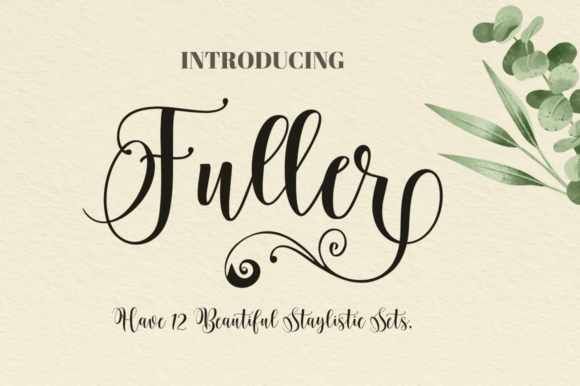
When designing with a script font, the choice of typeface can significantly influence the overall aesthetic and impact of your project. Fuller is an elegant script font that stands out for its refined swirls and intricate detailing. Designed to add sophistication and visual interest, Fuller is more than just a decorative option—it’s a versatile tool that fits seamlessly into various creative workflows.
What Makes Fuller Stand Out?
Fuller is not your typical script font. It features a range of extra swirly characters that give it a unique flair, making it ideal for projects where elegance and artistry are key. Whether you're crafting a wedding invitation or designing a brand logo, Fuller adds a touch of refinement that elevates the final output.
One of the standout features of Fuller is its PUA encoding. This means that all glyphs and swashes are accessible through the font’s character map, allowing designers to easily incorporate special characters and stylistic variations into their work. This level of customization is especially valuable for those working on detailed or custom designs.
Where Does Fuller Fit in the Creative Process?
The integration of a font like Fuller depends on the nature of the project. For instance, during the initial planning phase, choosing the right font can set the tone for the entire design. Fuller is particularly well-suited for projects that require a sense of formality or artistic expression, such as branding or lettering.
During the execution phase, Fuller’s versatility shines. Its elegant swirls make it ideal for use in SVG design, Cricut projects, or even Procreate illustrations. The font works well with both digital and physical mediums, ensuring consistency across different platforms and outputs.
After the project is completed, Fuller continues to be useful. For example, if you’re creating stickers or sublimation prints, having access to a font with rich character sets ensures that your designs remain visually engaging and cohesive.
How to Use Fuller Effectively in Your Workflow
Integrating Fuller into your workflow requires some preparation and understanding of how fonts interact with other tools. Here are a few practical tips:
- Choose the right platform: Ensure that your design software supports PUA encoding. Tools like Adobe Illustrator, Inkscape, or even online font editors can help you access and utilize all of Fuller’s glyphs.
- Plan ahead: Before starting a project, consider how the font will fit with your color scheme, layout, and overall design language. Fuller’s ornate style may complement certain themes better than others.
- Test compatibility: When using Fuller with third-party tools or templates, verify that it renders correctly across different formats. This is especially important when working with SVGs or printable materials.
- Organize your assets: Keep track of which glyphs and swashes you use most frequently. Creating a reference sheet or library can save time and ensure consistency in future projects.
By following these steps, you can ensure that Fuller enhances rather than hinders your creative process. Its adaptability makes it suitable for both beginners and experienced designers alike.
Real-World Use Cases for Fuller
Let’s explore some real-world scenarios where Fuller proves to be an invaluable asset:
Wedding Invitations
Weddings are a perfect opportunity to showcase the elegance of Fuller. From the envelope to the card itself, this font can create a cohesive and sophisticated look. Its swirliness adds a romantic touch, while its clarity ensures that the message remains legible.
Branding and Logo Design
For businesses looking to establish a premium image, Fuller can serve as a powerful branding tool. Its refined appearance aligns well with luxury or artisanal brands, helping to convey quality and craftsmanship.
Christmas and Holiday Designs
During the holiday season, Fuller can bring a festive yet elegant feel to your designs. Whether you're creating holiday cards, banners, or digital graphics, its decorative elements add a festive charm without overwhelming the design.
Crafting and DIY Projects
Whether you're working with paper, fabric, or digital media, Fuller offers a wide range of possibilities. Its compatibility with tools like Cricut and Procreate makes it a favorite among crafters who value both aesthetics and functionality.
Working with Other Tools and Platforms
Fuller isn’t just a standalone font—it works best when integrated with other design tools and platforms. For example, when using Canva or Figma, ensure that the font is properly embedded or linked to maintain consistency across devices and platforms.
Additionally, when collaborating with clients or team members, it’s important to share the font file and provide clear instructions on how to access its full character set. This helps avoid inconsistencies and ensures that everyone involved can use the font effectively.
Best Practices for Long-Term Use
To maximize the long-term value of Fuller, consider the following best practices:
- Backup your font files: Store copies of the font in multiple locations to prevent loss due to technical issues or data corruption.
- Stay updated: Keep an eye on updates or new releases related to the font. Developers may introduce new glyphs or improve existing ones based on user feedback.
- Use it consistently: Apply Fuller in a consistent manner across all projects to build a recognizable brand identity or design style.
- Document your usage: Maintain a record of how and when you use the font. This can help streamline future projects and reduce the need for repeated decision-making.
By adopting these practices, you’ll not only enhance your workflow but also ensure that Fuller remains a reliable and valuable asset in your creative toolkit.